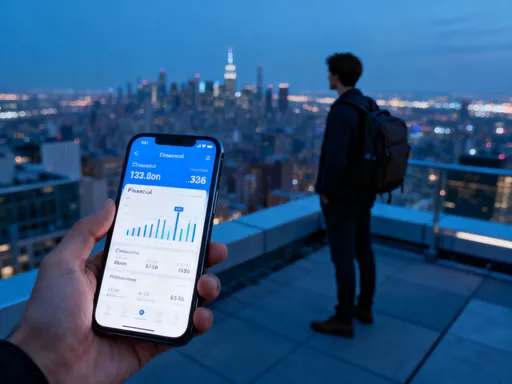
Far From Home, Close to Smart Money Moves
Living far from home for work? You're not alone—and neither are your financial challenges. Juggling income, expenses, and long-term goals across cities or borders can feel messy. What seemed like small money decisions turned into big lessons. This is not about get-rich-quick tricks. It’s about building a solid, adaptable financial foundation while living and earning away from your home base. Whether you're working in another country or just another state, your money needs to keep pace with your life. Let’s walk through how to make your money work smarter, no matter where you are.
The Hidden Financial Struggles of Working Away from Home
Working remotely or relocating for a job often comes with a sense of independence and opportunity. Yet beneath the surface, many professionals face quiet financial pressures that go unnoticed until they accumulate. One of the most common challenges is the mismatch between income and cost of living. A salary that feels generous in one city may barely cover rent and groceries in another, especially when moving from a lower-cost region to a high-cost urban center or international hub. This shift can create a constant state of financial strain, where each paycheck is absorbed before it’s even deposited.
Another hidden cost is emotional spending. When you’re far from family, familiar routines, and social support, loneliness or stress can trigger impulsive purchases—dining out more often, buying comfort items, or overspending on travel to visit loved ones. These habits, while understandable, can quietly erode savings. The absence of accountability from close-knit communities means fewer natural checks on spending behavior. Without someone asking, “Did you really need that?” it’s easier to justify small indulgences that add up over time.
Cash flow irregularities also play a role, particularly for freelancers or contractors working across time zones and payment cycles. International transfers may take days, incur fees, or be delayed due to banking holidays. This unpredictability makes budgeting harder and increases reliance on credit or short-term borrowing. Currency fluctuations further complicate matters. Earning in one currency while saving or spending in another exposes workers to exchange rate risks, which can reduce purchasing power without any change in actual income.
These challenges are not just logistical—they are psychological. Financial stress compounds when you feel isolated or uncertain about the future. The lack of a local safety net means a single unexpected expense—a medical bill, a broken appliance, or a sudden trip home—can disrupt months of careful planning. Over time, this instability can delay major financial milestones like buying a home, saving for retirement, or starting a family. Recognizing these hidden struggles is the first step toward building a more resilient financial strategy that accounts not just for income and expenses, but for the emotional and logistical realities of life away from home.
Why Asset Allocation Matters More When You’re Mobile
When your life is in motion, your financial plan shouldn’t be anchored to outdated assumptions. Asset allocation—the way you divide your investments among stocks, bonds, cash, and alternative assets—becomes even more critical when you’re living and earning in multiple locations. A static portfolio, set once and forgotten, may not reflect your changing risk tolerance, income stability, or access to financial markets. For mobile professionals, a well-structured allocation acts as a stabilizing force, helping to preserve wealth despite geographic or economic shifts.
Consider this: someone working abroad on a temporary contract may have a higher income now but less job security than they would at home. In such cases, holding too much in volatile equities could expose them to unnecessary risk if they need to withdraw funds unexpectedly. On the other hand, keeping everything in cash or low-yield accounts may protect capital in the short term but erode its value over time due to inflation. The right balance depends on individual circumstances—how long you plan to stay abroad, your employment type, and your access to investment platforms in different regions.
Dynamic rebalancing is key. This means periodically reviewing and adjusting your portfolio to maintain your target allocation. For example, if global stock markets rise and your equity share grows beyond your intended percentage, selling some holdings and reinvesting in bonds or cash helps manage risk. This practice prevents emotional decision-making during market swings and keeps your long-term goals on track. For those moving frequently, automated rebalancing tools offered by digital investment platforms can provide consistency without requiring constant oversight.
Geographic diversification is another layer of smart allocation. Investing solely in your home country’s market may feel familiar, but it limits growth potential and increases exposure to local economic downturns. By including international index funds or global ETFs, you spread risk across economies and benefit from different growth cycles. This is especially valuable for those earning in strong currencies but planning to retire or return to a country with a weaker one. A globally diversified portfolio helps insulate savings from regional volatility and supports long-term purchasing power, no matter where life takes you.
Building a Flexible Core Portfolio
A mobile lifestyle demands a financial infrastructure that moves with you—literally and functionally. A flexible core portfolio is one designed for accessibility, efficiency, and continuity across borders. It’s not about chasing high returns in exotic markets, but about creating a stable foundation that supports your life regardless of location. The cornerstone of this approach is simplicity: choosing financial instruments that are easy to manage, low-cost, and widely accessible without triggering tax complications or withdrawal delays.
One essential component is a globally accessible brokerage account. These platforms allow you to buy and sell investments from anywhere, often supporting multiple currencies and offering integration with local banking systems. Unlike domestic accounts that may restrict access when you’re abroad, global brokers provide uninterrupted service and real-time portfolio visibility. They also reduce the need to open and close accounts with each move, minimizing administrative hassle and potential tax reporting obligations in multiple jurisdictions.
Low-fee index funds and exchange-traded funds (ETFs) are ideal building blocks for such a portfolio. They offer broad market exposure, automatic diversification, and lower management costs compared to actively managed funds. For someone working across regions, minimizing fees is crucial—small charges compound over time and can significantly reduce net returns, especially when converting currencies or making frequent transfers. Choosing funds with transparent pricing and no hidden penalties ensures that more of your money stays invested and working for you.
Liquidity is another priority. A portion of your portfolio should remain in cash or cash equivalents that are easily accessible in emergencies. This might include a high-yield savings account denominated in a stable currency or a money market fund with same-day redemption. The goal is to avoid being forced to sell long-term investments at a loss just to cover an urgent expense. For those frequently traveling or changing locations, having funds available without waiting days for transfers or approvals is a form of financial insurance.
Multi-currency wallets, offered by some digital banks and fintech platforms, further enhance flexibility. These accounts allow you to hold, exchange, and spend in different currencies with lower fees than traditional banks. They also help mitigate exchange rate risk by letting you convert funds when rates are favorable, rather than being locked into unfavorable rates during urgent transactions. When integrated with a core investment portfolio, these tools create a seamless financial ecosystem that adapts to your movements without sacrificing control or clarity.
Managing Risk Without a Safety Net
When family and community are thousands of miles away, the consequences of a financial setback can be severe. A sudden job loss, medical emergency, or unexpected travel need can quickly deplete savings if there’s no one nearby to offer temporary support. This makes risk management not just a financial priority, but a necessity for emotional well-being. Without a local safety net, your financial plan must include robust protections that act as a substitute for the informal help many take for granted.
The first line of defense is an emergency fund sized to your specific circumstances. While the general rule suggests three to six months of living expenses, mobile professionals may need more—especially if they work in volatile industries or countries with limited unemployment benefits. The fund should cover essential costs like rent, utilities, insurance, and basic food for a realistic worst-case scenario. For someone in a high-cost city, this could mean saving significantly more than someone in a lower-expense area. The key is to base the amount on local realities, not generic advice.
This fund should be kept in a secure, liquid account that’s accessible from anywhere. It should not be tied up in investments that fluctuate in value or have withdrawal restrictions. A dedicated savings account with a global digital bank or a money market fund with instant access is ideal. Automating monthly contributions—even small ones—helps build the fund steadily over time. Treating it as a non-negotiable expense, like rent or insurance, reinforces its importance.
Insurance is another critical layer. Health coverage is obvious, but many overlook disability, critical illness, or income protection insurance, especially when working abroad on short-term contracts. Local employer-provided plans may not be sufficient or portable, and public systems may exclude non-residents. Private policies tailored to expatriates or remote workers can fill these gaps at reasonable rates. While no one likes to think about worst-case scenarios, having coverage means a health issue won’t become a financial catastrophe.
Legal preparedness is equally important. Documents like a durable power of attorney, will, or healthcare directive ensure that someone you trust can manage your affairs if you’re incapacitated or unavailable. These may seem unnecessary when you’re young and healthy, but accidents happen. Having them in place reduces stress for both you and your loved ones. Many financial platforms now offer digital storage for such documents, making them secure and accessible from any device. Combining these tools—emergency savings, insurance, and legal planning—creates a comprehensive risk management strategy that provides stability, even in isolation.
Navigating Taxes and Compliance Across Regions
Earning income in one country while maintaining financial ties to another creates a complex tax landscape. Tax residency rules vary widely, and misunderstanding them can lead to double taxation, penalties, or unintentional non-compliance. While no single solution fits all, the goal is to stay within legal boundaries without overcomplicating your financial life. Clarity and consistency are more valuable than aggressive tax minimization, especially when the cost of errors can be high.
Tax residency is often determined by factors like the number of days spent in a country, employment status, and local laws. Some countries tax worldwide income for residents, while others only tax local earnings. This means you could owe taxes in both your host country and your home country if both claim you as a resident. To avoid this, many nations have tax treaties that allow credits for taxes paid abroad. Understanding these agreements—and whether you qualify—can prevent unnecessary payments.
Reporting obligations also expand when you hold accounts overseas. Many countries require disclosure of foreign financial assets above a certain threshold. Failing to report can result in steep fines, even if no tax is owed. The key is transparency: using compliant financial institutions that report to the appropriate authorities and keeping accurate records of income, transfers, and balances. Digital tools that track multi-currency transactions and generate year-end summaries can simplify this process significantly.
Retirement accounts add another layer. Contributions to home-country pension plans may not be tax-deductible if you’re no longer a tax resident. Similarly, accessing these funds from abroad may involve restrictions or additional paperwork. Some mobile professionals choose to pause contributions while working overseas and focus on flexible, accessible accounts instead. Others continue contributing if the long-term benefits outweigh the complexity. The decision should be based on personal goals, not assumptions.
Professional advice is invaluable in this area. A qualified cross-border tax advisor can help interpret rules, identify filing requirements, and recommend compliant strategies. While their services come at a cost, they often save more in avoided penalties and optimized payments. The goal isn’t to eliminate taxes, but to pay the right amount, at the right time, in the right place—without constant worry or confusion.
Tools and Habits for Financial Clarity on the Move
Financial health doesn’t come from complexity, but from consistency. When your life is in flux, simple habits can make a lasting difference. The most effective tools are not the most advanced, but the ones you use regularly. Monthly net-worth tracking, automated transfers, and organized digital records create a clear picture of your financial life, reducing stress and increasing confidence. These practices don’t require hours of effort—just a few minutes each week to stay on track.
Tracking your net worth—assets minus liabilities—provides a snapshot of progress over time. It’s not about hitting a specific number, but about seeing trends. Are debts decreasing? Are savings growing? Is investment value rising steadily? Reviewing this once a month helps you spot issues early, like creeping expenses or underperforming accounts. Many personal finance apps now offer automatic syncing across banks, investment platforms, and currencies, updating your net worth in real time without manual entry.
Automation is another powerful ally. Setting up automatic transfers to savings, investments, and emergency funds ensures that financial goals are funded before money gets spent elsewhere. Even small amounts, like $50 or €100 per month, grow significantly over time thanks to compounding. Automation removes the need for willpower and decision fatigue, making disciplined saving effortless. For those with variable income, percentage-based transfers (e.g., 10% of each paycheck) adapt naturally to fluctuations.
Digital document storage is essential for mobile professionals. Scanning and securely storing identification, tax forms, insurance policies, and bank statements ensures they’re never lost during a move. Cloud-based platforms with encryption and two-factor authentication protect sensitive data while allowing access from any device. Organizing files with clear labels—like “Taxes 2023” or “Passport Copy”—saves time during audits or emergencies. Some apps even offer reminders for renewal dates, such as expiring visas or insurance policies, adding an extra layer of proactive management.
These habits, while simple, compound into long-term clarity. They transform financial management from a source of anxiety into a source of control. You don’t need a perfect system—just a reliable one that works for your lifestyle. Over time, the consistency of small actions builds resilience, confidence, and peace of mind.
Making Your Money Feel Like Home
At its core, financial security is not about the size of your bank account, but the quality of your daily life. When you’re far from home, the way your money functions can either amplify stress or provide a sense of grounding. A well-structured financial plan—built on smart asset allocation, clear risk management, and simple, consistent habits—does more than protect wealth. It creates stability in the midst of change, allowing you to focus on your career, relationships, and personal growth without constant money worries.
Peace of mind is the ultimate return on investment. Knowing you have an emergency fund, proper insurance, and a diversified portfolio means you’re prepared for the unexpected. You can say yes to new opportunities—whether it’s a work assignment abroad, a chance to study, or simply visiting family—without fear of financial disruption. This freedom is not accidental; it’s the result of deliberate choices made over time.
And while the journey may involve trade-offs—delaying a luxury purchase, skipping a trip, or investing instead of spending—these decisions add up to something greater. They build a foundation that supports not just survival, but thriving. Wealth, in this sense, is not measured by accumulation, but by alignment: how well your money reflects your values, goals, and life circumstances.
Wherever you are, your financial health can be a source of strength. By taking control of your money with clarity and intention, you create a sense of home within yourself—one that travels with you, no matter how far you roam. True financial success isn’t about staying in one place. It’s about moving forward, with confidence, wherever life takes you.