How I Keep My Emotions Steady Every Day — Simple Moves That Actually Work
Ever feel like your emotions swing out of nowhere? You're not alone. Stress, fatigue, and daily chaos can quietly erode emotional balance. But staying emotionally steady isn’t about big fixes — it’s built through small, consistent habits. I’ve tested what works, and science backs it. This isn’t a quick fix, but a real, doable way to maintain mental wellness. Let’s explore how everyday choices shape your inner calm. Emotional stability isn’t reserved for those with perfect lives; it’s accessible to anyone willing to practice gentle, daily care. The good news? You don’t need hours of therapy or expensive tools — just awareness and intention.
The Hidden Cost of Emotional Ups and Downs
Emotional fluctuations are more than just passing moods — they carry a cumulative cost. In everyday life, seemingly minor stressors like traffic delays, work deadlines, or household responsibilities can quietly accumulate, priming the nervous system for reactivity. A missed coffee break, a child’s last-minute request, or an unexpected email can become tipping points when emotional reserves are already low. These triggers are not signs of weakness, but natural responses to sustained pressure. What matters most is not the trigger itself, but how the body and mind respond in the moment.
For many women between 30 and 55, emotional ups and downs often stem from a combination of external demands and internal expectations. Juggling family, career, and personal well-being can create a persistent undercurrent of tension. A 2022 survey by the American Psychological Association found that nearly 70% of adults in this age group reported feeling overwhelmed at least once a week, with mood swings and irritability as common side effects. These aren’t isolated incidents — they reflect a broader pattern of emotional fatigue that, if unaddressed, can lead to chronic stress, burnout, and reduced resilience over time.
It’s important to clarify that emotional regulation does not mean suppressing feelings. Trying to push down anger, sadness, or frustration only amplifies their intensity later. True regulation is about creating space between stimulus and response — learning to observe emotions without being ruled by them. This distinction is crucial. When emotions are acknowledged rather than avoided, they lose their power to disrupt. The goal isn’t emotional numbness, but emotional clarity — the ability to feel deeply while remaining grounded.
Over time, frequent emotional reactivity can impact physical health as well. Chronic stress activates the body’s fight-or-flight system, increasing levels of cortisol, the so-called “stress hormone.” Elevated cortisol over long periods has been linked to disrupted sleep, weight gain, and weakened immune function. This mind-body connection means that emotional instability isn’t just a mental experience — it leaves physical traces. By addressing emotional health proactively, women can protect not only their mental well-being but also their long-term physical health.
Why Your Body and Mind Are Connected in Emotion Control
The connection between body and emotion is not metaphorical — it’s biological. Every thought, feeling, and reaction is processed through a complex network involving the brain, nervous system, and hormones. When someone feels anxious, their heart rate increases, muscles tense, and breathing becomes shallow — all automatic responses coordinated by the autonomic nervous system. This system operates below conscious awareness, yet it plays a central role in emotional regulation. Think of your body as a thermostat for emotions: when one system overheats, everything shifts. Just as a thermostat restores room temperature, your body has natural mechanisms to restore emotional balance — if you know how to activate them.
The brain’s limbic system, particularly the amygdala, acts as an emotional alarm. It scans for threats and triggers rapid responses — often before the rational mind has time to assess the situation. In modern life, this system can misfire. A tense conversation, a crowded store, or even social media scrolling can be interpreted as danger, prompting a stress response. Over time, repeated activation without recovery can lead to emotional fatigue. The good news is that this system is trainable. Through consistent practices, the brain can learn to respond more calmly, even in challenging moments.
Physical states such as dehydration, low blood sugar, or lack of movement directly influence mood. A 2021 study published in the journal Frontiers in Psychology found that even mild dehydration — as little as 1-2% loss of body water — was associated with increased feelings of fatigue, confusion, and irritability. Similarly, skipping meals or relying on processed foods can cause blood sugar spikes and crashes, which mimic anxiety symptoms. These physical factors are often overlooked when addressing emotional instability, yet they play a foundational role. By stabilizing the body, you create the conditions for emotional steadiness.
Daily routines shape emotional resilience in subtle but powerful ways. Waking up at inconsistent times, eating on the go, or spending hours seated can quietly erode mood stability. These habits may seem harmless in isolation, but their cumulative effect is significant. The body thrives on rhythm and predictability. When routines support physical well-being — through hydration, nourishing food, and movement — the mind follows. Emotional regulation, therefore, begins not with willpower, but with the basic care of the body.
Breathing Like a Reset Button: The 4-7-8 Method
One of the most accessible and scientifically supported tools for emotional regulation is controlled breathing. Unlike medications or therapies that require time or resources, breath is always available. The 4-7-8 breathing technique, developed by Dr. Andrew Weil and rooted in ancient pranayama practices, is a simple yet powerful method to calm the nervous system. It works by activating the parasympathetic nervous system — the body’s “rest and digest” mode — which counteracts the stress response. This technique is not about deep breathing alone, but about the timing and rhythm of the breath.
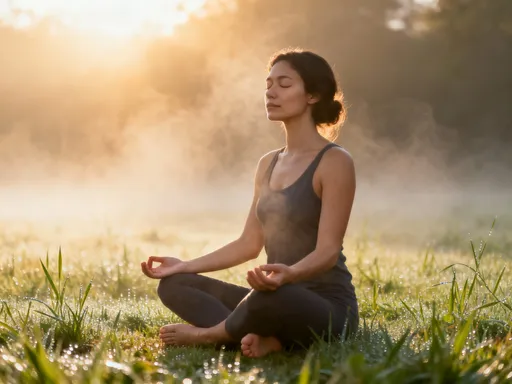
To practice the 4-7-8 method, begin by sitting or lying in a comfortable position. Close your mouth and inhale quietly through your nose for a count of four. Hold the breath for a count of seven. Then, exhale slowly and completely through your mouth for a count of eight, making a soft “whoosh” sound. This completes one cycle. Repeat the sequence for four rounds, ideally twice a day — once in the morning and once before bed. The key is consistency, not perfection. Even one round can create a noticeable shift in heart rate and mental clarity.
I use this technique before stressful phone calls or after a heated moment with a family member. Within 60 seconds, my heart rate slows, my shoulders drop, and my thoughts become more focused. It’s not that the stressor disappears — it’s that my reaction to it changes. Research supports this effect: a 2020 study in Applied Psychophysiology and Biofeedback found that participants who practiced slow breathing for just five minutes daily reported significant reductions in anxiety and improved emotional control after four weeks. The beauty of this method is its immediacy — it doesn’t require equipment, space, or special training.
The 4-7-8 method works best when integrated into daily transitions. Using it upon waking helps set a calm tone for the day. Practicing it before sleep signals the body to unwind. During emotional spikes — such as frustration, panic, or overwhelm — it serves as a mental reset. Over time, regular use strengthens the body’s ability to return to baseline after stress. It’s like building a muscle: the more you practice, the faster and more naturally your system responds. This technique is not a cure-all, but a reliable anchor in moments of turbulence.
Move to Improve: How Daily Motion Shifts Your Mood
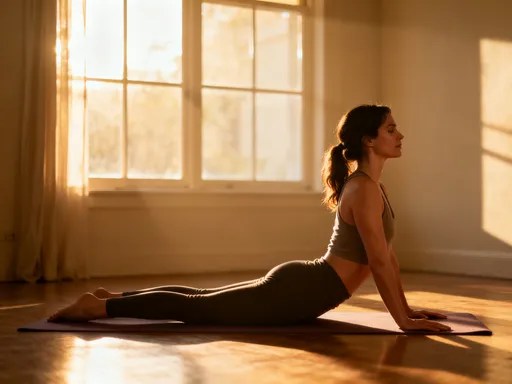
Physical movement is one of the most effective, yet underused, tools for emotional stability. While exercise is often associated with weight management or physical fitness, its impact on mental health is equally profound. Movement stimulates the release of endorphins, serotonin, and dopamine — neurotransmitters that regulate mood, motivation, and pleasure. These natural brain chemicals don’t just make you feel good temporarily; they build long-term resilience against stress and low mood. The good news? You don’t need intense workouts to benefit. Even small amounts of daily motion can shift your emotional state.
For women with busy schedules, the idea of an hour at the gym can feel unrealistic. But research shows that short bursts of activity are highly effective. A 2019 study in The Lancet Psychiatry analyzed data from over 1.2 million people and found that those who exercised reported 43% fewer days of poor mental health per month compared to those who didn’t. The most beneficial activities included walking, cycling, and yoga — and the optimal duration was just 30 to 60 minutes per week, spread across several days. This means that three 10-minute walks a week can make a measurable difference.
I started with a simple habit: a 10-minute walk after lunch. At first, it felt like just another task. But within two weeks, I noticed a shift. I was less reactive to small frustrations — a spilled drink, a delayed appointment — and more able to respond calmly. My mental fog lifted in the afternoons, and I felt more present with my family in the evenings. Movement didn’t erase stress, but it gave me a buffer against it. The key is consistency, not intensity. Stair climbing, stretching at your desk, or dancing while cooking can all count as beneficial motion.
Over time, regular movement builds emotional stamina. Just as muscles grow stronger with use, the brain becomes more adept at managing stress when supported by physical activity. Movement also improves sleep quality, boosts energy, and enhances self-esteem — all of which contribute to emotional steadiness. The goal isn’t to become an athlete, but to treat movement as a form of self-care. When integrated into daily life, it becomes a quiet but powerful force for mental well-being.
The Power of the Pause: Creating Mental Space Before Reacting
In a world of constant stimulation, the ability to pause before reacting is a rare but essential skill. Emotional reactivity — responding instantly to triggers with anger, defensiveness, or withdrawal — often leads to regret. These reactions are not flaws, but habits formed under stress. The good news is that habits can be changed. By inserting a brief pause between stimulus and response, you create space for choice. This small act can transform relationships, reduce conflict, and increase self-trust. The pause is not about suppression; it’s about intention.
A simple and effective method is the three-step pause: Stop → Breathe → Ask “What do I need right now?” When a stressful moment arises — a critical comment, a missed deadline, a family disagreement — the first step is to stop. This doesn’t mean freezing, but consciously pausing your response. The second step is to take one or two slow breaths. This signals the nervous system to shift from reactivity to regulation. The third step is to ask yourself a grounding question: “What do I need right now?” The answer might be water, a moment alone, or simply to be heard. This process takes less than 30 seconds, but its impact is lasting.
Consider a common scenario: receiving feedback at work that feels unfair. Without a pause, the instinct might be to defend, argue, or shut down. With a pause, you can respond thoughtfully. You might say, “I hear what you’re saying. I’d like a moment to process this and respond when I’m ready.” This approach preserves dignity, reduces escalation, and builds respect. Over time, practicing the pause strengthens emotional clarity. You begin to recognize patterns — what triggers you, how your body responds, and what truly helps you recover.
The pause also fosters self-trust. When you learn to respond rather than react, you feel more in control of your life. This doesn’t mean you’ll never feel upset — emotions will still arise. But you’ll know you have tools to navigate them. The pause becomes a quiet act of self-respect, a way of saying, “My well-being matters.” It’s a small habit with profound ripple effects, improving not just your inner life, but your relationships and daily experience.
Sleep, Light, and Routine: The Unsung Heroes of Stability
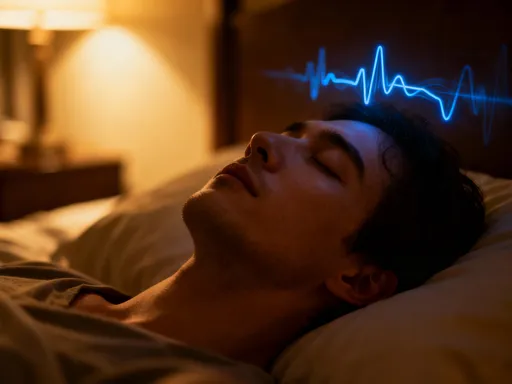
Sleep, natural light, and daily routine are often overlooked pillars of emotional health. Yet, they form the foundation of the body’s internal clock — the circadian rhythm — which regulates everything from hormone release to mood. When this rhythm is disrupted, emotional stability suffers. Poor sleep, in particular, is strongly linked to irritability, anxiety, and low mood. A 2023 review in Sleep Medicine Reviews found that adults who slept less than six hours per night were twice as likely to report emotional distress compared to those who slept seven to eight hours.
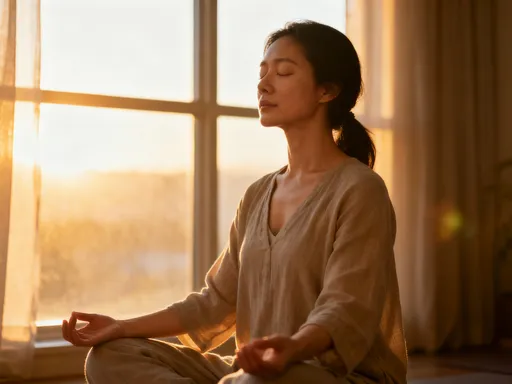
Exposure to natural light, especially in the morning, plays a crucial role in syncing this rhythm. Sunlight signals the brain to reduce melatonin — the sleep hormone — and increase cortisol, helping you feel alert and awake. Without this signal, the body can remain in a foggy, sluggish state. I noticed a dramatic change when I started stepping outside for 10 minutes each morning, even in winter. My energy improved, and my midday anxiety faded. This simple act helped regulate my mood naturally, without supplements or medication.
Creating a consistent routine amplifies these benefits. Going to bed and waking up at roughly the same time each day — even on weekends — strengthens the circadian rhythm. Adding a screen curfew 60 minutes before bed reduces blue light exposure, which can delay sleep onset. These habits don’t require drastic changes. Start with one — like morning light or a bedtime wind-down — and build from there. Over time, your body learns to anticipate rest and wakefulness, making emotional regulation easier.
The power of routine lies in its predictability. When your body knows what to expect, it conserves energy and reduces stress. This doesn’t mean rigid schedules, but gentle consistency. A warm drink before bed, a short journal entry, or a five-minute stretch can signal safety to the nervous system. These small rituals become anchors in a busy life, supporting emotional steadiness from the ground up.
Building a Personal Maintenance Plan — Not Perfection, But Progress
Emotional health is not about crisis management — it’s about daily maintenance. Just as you wouldn’t wait for a toothache to brush your teeth, you shouldn’t wait for burnout to care for your emotions. The habits discussed — breathing, moving, pausing, sleeping, and routine — are not quick fixes, but long-term investments in well-being. The key to success is not doing everything perfectly, but choosing a few sustainable practices and sticking with them.
I recommend starting with two or three habits that feel manageable. For example, pair morning light with 4-7-8 breathing, or add a 10-minute walk to your lunch break. Track small wins — not with pressure, but with kindness. A habit-tracking app, a simple journal, or a weekly check-in can help you stay aware of progress. Celebrate consistency, not perfection. If you miss a day, begin again the next. This mindset shift — from all-or-nothing to gradual progress — is essential for lasting change.
Over time, these small actions build emotional resilience. You won’t feel calm all the time — life will still bring challenges. But you’ll recover faster. You’ll notice when you’re drifting off balance and know how to return. This ability to self-regulate is the true measure of emotional health. It’s not the absence of emotion, but the presence of tools.
Treating emotional well-being like physical fitness changes everything. It removes the stigma of “needing help” and reframes care as strength. Every small choice — a deep breath, a walk, a moment of pause — is a deposit in your emotional bank. Over time, these deposits compound, creating a steadier, clearer inner life. And when life gets loud, you’ll have the tools to find your calm again.