Move Like You Mean It: How Daily Motion Becomes Your Best Defense
Living longer and staying healthier isn’t about drastic overhauls—it’s about moving consistently. I used to think exercise was just for weight loss or muscle gain, but after years of testing different routines, I realized something deeper: movement is medicine. Not in a flashy, “miracle cure” way—but in a steady, proven, keep-your-body-functioning kind of way. The truth? Just 30 minutes of intentional motion a day slashes risks for heart disease, diabetes, and even some cancers. This isn’t hype. It’s science. And once I embraced it, everything changed.
The Hidden Cost of Stillness
Sedentary living has quietly become one of the most dangerous habits of modern life. For many women between 30 and 55, daily routines often involve long stretches of sitting—whether at a desk, in front of a screen, or during commutes. The body was not designed for such stillness, and the consequences are far more serious than just feeling stiff or sluggish. Research shows that prolonged inactivity directly contributes to chronic conditions such as type 2 diabetes, cardiovascular disease, and metabolic syndrome, even in individuals who maintain a healthy weight. The danger lies not just in what we see, but in what we don’t: silent inflammation, declining circulation, and a gradual loss of muscle strength that begins as early as age 30.
When the body remains inactive for hours, blood flow slows, insulin sensitivity drops, and fat metabolism becomes less efficient. Over time, this creates a biological environment where disease can take root. A study published in the Annals of Internal Medicine found that people who sit for more than eight hours a day with no physical activity have a risk of dying similar to that posed by smoking or obesity. Even those who work out for an hour in the morning but remain sedentary the rest of the day do not fully offset these risks. The body needs consistent movement to stay in balance—not just bursts of effort, but regular signals that it is alive, active, and engaged.
This issue hits close to home for many women juggling careers, children, and household responsibilities. The time once spent walking to the market or doing manual chores has been replaced with cars, convenience foods, and digital entertainment. While modern life brings comfort, it also brings a hidden tax: a growing disconnect between our biology and our behavior. Recognizing this gap is the first step toward reclaiming health. The good news is that the solution doesn’t require extreme changes—just a return to motion as a natural part of daily life.
Why Movement Outsmarts Medication (Sometimes)
For many chronic conditions, movement delivers benefits that rival or even surpass those of preventive medications—without the risk of side effects. Take hypertension, for example. Regular physical activity has been shown to lower systolic blood pressure by an average of 5 to 8 mm Hg, a reduction comparable to many first-line medications. Similarly, for individuals with prediabetes, structured exercise programs can reduce the risk of progressing to full-blown type 2 diabetes by up to 58%, according to findings from the Diabetes Prevention Program. These are not minor improvements—they represent real shifts in health trajectory.
Unlike pills, which often manage symptoms, movement addresses the root causes of dysfunction. It improves the body’s ability to regulate blood sugar by increasing insulin sensitivity in muscle tissue. It enhances cholesterol balance by raising HDL (the “good” cholesterol) and lowering triglycerides. It strengthens the heart muscle, improves circulation, and reduces arterial stiffness—all critical factors in preventing cardiovascular events. And because these changes are driven by the body’s own adaptive systems, they tend to be more sustainable than pharmacological fixes.
It’s important to clarify that this is not a call to abandon prescribed treatments. For many, medication is essential and life-saving. But when combined with consistent movement, the need for high doses or multiple drugs may decrease over time. A woman managing high blood pressure through daily walks and strength training might find her doctor gradually reducing her medication. This kind of outcome isn’t just about numbers on a chart—it’s about regaining control, feeling stronger, and knowing your body is responding to care. Movement doesn’t replace medicine; it partners with it, amplifying its effects and reducing long-term dependency.
What Counts as “Real” Exercise? (Spoiler: It’s Not Just the Gym)
Many women hesitate to start moving because they believe effective exercise requires a gym membership, special clothes, or hours of time. But the truth is far more accessible: any activity that gets your body working counts. Walking the dog, raking leaves, dancing while cooking dinner, playing with children in the yard—these are all valid forms of physical movement. The key is consistency and effort, not location or appearance. The World Health Organization defines moderate-intensity activity as any movement that raises your heart rate slightly and allows you to talk, but not sing. Vigorous activity makes it difficult to say more than a few words without pausing for breath.
One of the most empowering concepts in modern health science is that exercise benefits are cumulative. Three 10-minute walks spread throughout the day provide similar cardiovascular and metabolic advantages as one continuous 30-minute session. This flexibility makes it easier to fit movement into even the busiest schedules. A mother dropping kids at school can walk briskly back home. A remote worker can take a lap around the house between meetings. These moments add up, training the body to stay active and responsive.
Another misconception is that only intense workouts “count.” While strength training and aerobic exercise offer specific benefits, everyday motion plays a crucial role in overall health. Gardening improves grip strength and balance. Carrying groceries builds functional muscle. Even standing more throughout the day helps activate circulation and reduce strain on the lower back. The goal isn’t to achieve athletic performance but to maintain vitality. When we redefine exercise as any intentional movement that supports bodily function, the barrier to entry drops significantly—and the opportunity for long-term health rises.
The Sweet Spot: Simple Routines That Actually Stick
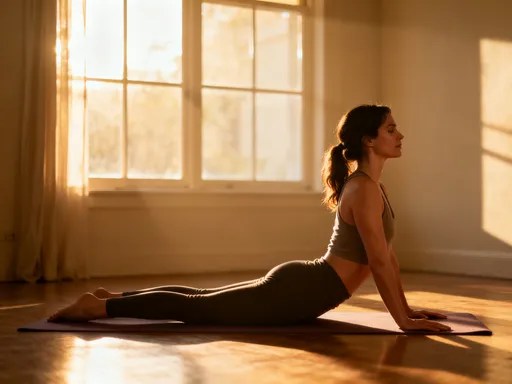
The most effective exercise routines are not the most complicated—they are the ones you can do consistently, without resistance or burnout. For busy women, sustainability matters more than intensity. Three simple, evidence-backed practices can create lasting change with minimal time investment. The first is the morning mobility minute: upon waking, spend 60 seconds rotating your wrists, ankles, shoulders, and neck while taking slow, deep breaths. This gentle activation signals the nervous system to shift from rest to readiness, improves joint lubrication, and sets a mindful tone for the day.
The second habit is the lunchtime walk. Instead of eating at your desk, step outside for a 10- to 15-minute walk, even if it’s just around the block or parking lot. This midday movement helps regulate blood sugar after lunch, combats afternoon fatigue, and provides mental clarity. Research shows that short walks after meals can lower postprandial glucose spikes by up to 22%, making this a powerful tool for metabolic health. Over time, this small habit can reduce insulin resistance and support healthy aging.
The third is the evening strength circuit, taking less than 10 minutes. It includes bodyweight squats (to build leg strength and support balance), wall push-ups (to maintain upper body function), and a plank (to strengthen the core and protect the lower back). These exercises require no equipment and can be done in socks on a living room rug. Doing them three times a week improves muscle mass, which naturally declines after age 30. More muscle means a faster metabolism, better posture, and reduced risk of falls later in life. The secret to success? Habit stacking—pairing these movements with existing routines, like stretching after brushing your teeth or doing squats while waiting for the kettle to boil.
How Your Body Fights Back—In a Good Way
Exercise doesn’t just change how you look or feel—it fundamentally strengthens your body’s ability to defend itself. One of the most profound benefits of regular movement is its effect on the immune system. Moderate physical activity increases the circulation of immune cells, helping the body detect and respond to threats more efficiently. Studies have shown that people who engage in regular, moderate exercise experience fewer upper respiratory infections and recover faster when they do get sick. This isn’t about pushing the body to exhaustion; it’s about consistent, manageable effort that trains the immune system like a well-prepared defense force.
At the cellular level, movement reduces chronic inflammation—a silent driver of nearly every major disease, from arthritis to heart disease to certain cancers. Physical activity triggers the release of anti-inflammatory cytokines while suppressing pro-inflammatory molecules. It also enhances autophagy, the body’s natural process of clearing out damaged cells and regenerating new ones. Think of it as internal housekeeping, activated by motion. Just as muscles grow stronger when challenged, so do the body’s internal systems—heart, lungs, liver, and brain—become more resilient through regular, moderate stress.
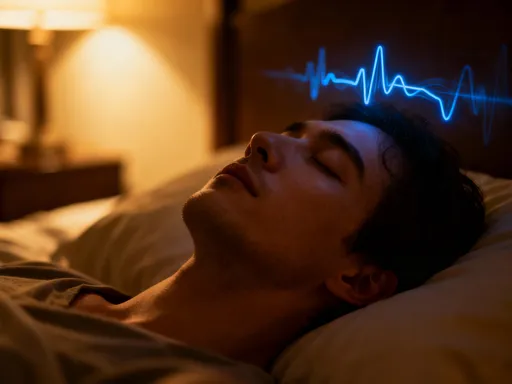
Sleep and stress regulation are indirect but powerful shields supported by movement. Women who walk regularly report deeper sleep and fewer nighttime awakenings. Exercise helps regulate cortisol, the primary stress hormone, preventing it from remaining elevated for long periods. Better sleep and lower stress, in turn, improve immune function, emotional stability, and cognitive clarity. These benefits create a positive feedback loop: when you move, you sleep better; when you sleep better, you have more energy to move. Over time, this cycle builds a foundation of resilience that protects against illness and supports graceful aging.
Busting the “No Time” Myth with Micro-Movements
The most common excuse for not exercising is lack of time. But the reality is that most people already have opportunities for movement woven into their day—they just don’t recognize them. The key is to shift from thinking of exercise as a separate event to seeing it as a continuous thread in daily life. Simple swaps can make a meaningful difference. Park at the far end of the lot to add extra steps. Take the stairs instead of the elevator. Stand up and stretch every time a commercial comes on TV. Do calf raises while washing dishes or brushing your teeth. These micro-movements may seem insignificant, but they accumulate into substantial health benefits.
Scientists refer to this as NEAT—non-exercise activity thermogenesis—the energy your body burns through everyday movement. Two people with the same diet and gym routine can have very different metabolic outcomes based on their NEAT levels. One might fidget, pace while talking, stand while reading, and walk to nearby errands; the other remains seated most of the day. Over time, the more active person burns hundreds more calories daily, maintains better insulin sensitivity, and preserves muscle mass more effectively. The beauty of NEAT is that it doesn’t require willpower or scheduling—it simply asks for awareness and small choices.
For women managing households, these micro-movements can be integrated seamlessly. Fold laundry while balancing on one foot to improve stability. Walk around the kitchen while waiting for food to cook. Have a “standing hour” after dinner where the family moves together—tidying up, stretching, or playing a quick game. These moments don’t replace structured exercise, but they ensure the body never settles into prolonged stillness. When movement becomes a habit rather than a task, it stops feeling like a burden and starts feeling like a natural, nourishing part of life.
From Knowing to Doing: Building a Life That Moves
Knowledge alone doesn’t create change—habits do. The shift from understanding the importance of movement to actually living it requires more than motivation; it requires design. Instead of relying on willpower, build an environment that supports motion. Use a standing desk or place your laptop on a high counter for part of the day. Keep a pair of walking shoes by the door. Schedule “walk-and-talk” meetings with friends or colleagues. Plan weekend outings that involve movement—hiking, visiting a botanical garden, or exploring a new neighborhood on foot. When activity is built into your surroundings and social routines, it becomes effortless.
Tracking progress doesn’t have to mean counting steps or calories. For many women, the most meaningful indicators of improvement are energy levels, mood, and ease of movement. Do you feel more alert in the afternoon? Can you carry groceries without strain? Are you sleeping more soundly? These are real signs of progress—ones that reflect deeper physiological changes. Celebrate these quietly, knowing that each small victory adds up. The goal is not fitness perfection or a certain number on the scale, but lifelong vitality—the ability to live fully, independently, and with strength at every age.
Finally, remember that movement is not a punishment for eating or a chore to be endured. It is a daily act of self-respect, a way of saying to your body: I am here. I care. I choose to support you. When framed this way, motion becomes not something you have to do, but something you get to do—a privilege of being alive. And the returns are compounding: each step strengthens your heart, each stretch preserves your flexibility, each moment of effort builds resilience that will serve you for decades.
Movement isn’t about running marathons or lifting heavy weights. It’s about keeping the body’s systems engaged, responsive, and capable. It’s about reducing the risk of disease not through fear, but through consistent, loving action. You don’t need to transform your life overnight. You just need to start—where you are, with what you have, and with the quiet certainty that every motion matters.