How Massage Therapy Quietly Transformed My Recovery Journey
Ever felt stuck in recovery, no matter how much rest you get? I was there—until I gave massage therapy a real try. It wasn’t magic, but over time, the stiffness eased, sleep improved, and movement became natural again. This isn’t a cure-all story, but an honest look at how consistent, mindful bodywork supported my healing. Science backs it, and so does my experience. Let’s explore what really helps—and what to expect.
The Hidden Block in Recovery Nobody Talks About
Many people believe that rest alone is enough to heal the body. After an injury, surgery, or even prolonged periods of inactivity, the common advice is to “take it easy” and “let time do the work.” While rest is undeniably important, it’s only one piece of the recovery puzzle. What often goes unnoticed is the buildup of muscle tension, restricted fascia, and poor circulation that can persist even during rest. These hidden barriers quietly undermine the healing process, leading to lingering stiffness, discomfort, and a frustrating sense of being “stuck.”
This silent resistance within the body creates a cycle: limited movement leads to tighter muscles, which further reduces mobility, which in turn slows recovery. The body may be resting, but it isn’t truly healing because the tissues remain tense and undernourished. Without intervention, this pattern can last for weeks or even months, especially in individuals managing chronic conditions or recovering from physical strain. The belief that healing is purely passive can delay progress and leave people feeling discouraged, wondering why their body isn’t “bouncing back” as expected.
The truth is, recovery is not just about waiting. It’s about creating the right internal environment for healing to occur. Just as a garden needs more than time—it needs water, sunlight, and care—the body benefits from active support. Techniques like massage therapy help break up adhesions, improve blood flow, and signal the nervous system to relax. These actions allow the body to use rest more effectively, turning passive downtime into active restoration. Recognizing this shift in mindset—from waiting to supporting—is often the first real step toward meaningful recovery.
What Massage Therapy Really Is (Beyond Just Relaxation)
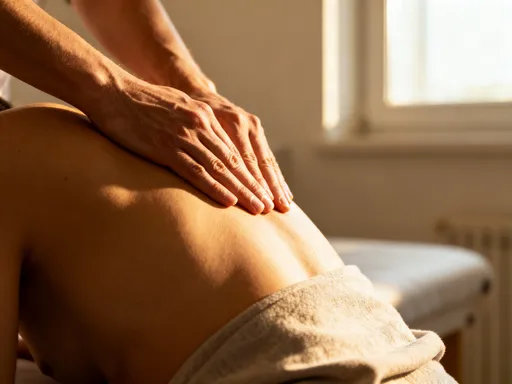
When most people think of massage, they picture a spa day, soft music, and temporary relief from stress. While relaxation is a valuable benefit, massage therapy is much more than a luxury. At its core, it is a structured, therapeutic practice that involves the manipulation of soft tissues—muscles, tendons, ligaments, and fascia—to improve physiological function. Trained therapists use specific techniques to address pain, reduce tension, and support the body’s natural healing processes.
One of the primary mechanisms is improved circulation. When pressure is applied to muscles, blood flow increases, delivering more oxygen and nutrients to damaged tissues. This enhanced delivery system accelerates cellular repair and helps remove metabolic waste products like lactic acid, which can contribute to soreness and fatigue. Additionally, massage helps reduce inflammation by modulating the body’s immune response at the tissue level, which is crucial during the early stages of recovery.
Different types of massage serve different purposes. Swedish massage, with its long, flowing strokes, is excellent for general relaxation and improving circulation. Deep tissue massage targets deeper layers of muscle and connective tissue, making it effective for chronic tension or injury recovery. Myofascial release focuses on the fascia, the web-like connective tissue that surrounds muscles, and is particularly helpful when movement is restricted due to tightness or scar tissue. Each modality has its place, and the choice depends on individual needs and recovery goals.
Understanding massage as a medical adjunct rather than just a pampering experience changes how it’s used. When applied with intention, it becomes a tool for restoring function, not just relieving symptoms. This distinction is vital for those in recovery who need more than temporary comfort—they need measurable progress.
Why It Works: The Body’s Response to Therapeutic Touch
The effectiveness of massage therapy isn’t just anecdotal; it’s rooted in measurable physiological changes. When skilled hands apply pressure to tense muscles, the body responds in predictable, science-backed ways. One of the most well-documented effects is the reduction of cortisol, the primary stress hormone. High cortisol levels are linked to increased inflammation, impaired immune function, and disrupted sleep—all of which hinder recovery. Massage has been shown to lower cortisol significantly, creating a more favorable internal environment for healing.
At the same time, massage stimulates the release of endorphins, the body’s natural painkillers and mood enhancers. These chemicals not only reduce the perception of pain but also promote a sense of well-being, which can be especially valuable during long recovery periods. The combination of lower stress hormones and higher endorphins creates a dual benefit: physical relief and emotional resilience.
Another critical response is improved lymphatic drainage. The lymphatic system plays a key role in removing toxins and excess fluid from tissues. After injury or surgery, lymph flow can become sluggish, leading to swelling and delayed healing. Massage techniques, particularly gentle lymphatic drainage methods, help move fluid through the system, reducing edema and supporting immune function.
These biological shifts translate directly into recovery benefits. For example, reduced inflammation means less strain on joints during movement, allowing for earlier and more comfortable mobility. Better circulation speeds up tissue repair, while improved sleep quality enhances overall recovery capacity. Each of these changes may seem small on its own, but together, they create a powerful foundation for healing. The body isn’t just relaxing—it’s actively repairing, resetting, and rebalancing.
Real Recovery Gains: What You Might Notice (And When)
People often expect immediate results from therapy, but recovery through massage is a gradual process. Changes may not be dramatic at first, but over time, consistent sessions lead to tangible improvements. One of the earliest signs is often better sleep. As the nervous system calms and muscle tension decreases, many report falling asleep more easily and waking up feeling more refreshed. This is significant because quality sleep is essential for tissue repair and immune function.
Another common gain is improved range of motion. After weeks of stiffness or limited movement, even small increases in flexibility can make a big difference in daily life. Tasks like reaching for a high shelf, bending to tie shoes, or walking up stairs may become easier and less painful. These aren’t just conveniences—they are milestones that reflect real progress in physical function.
Many also find they rely less on pain medication. While massage doesn’t eliminate the need for medical treatment, it can reduce the frequency or dosage of over-the-counter pain relievers by addressing the source of discomfort rather than just masking it. This is particularly valuable for those managing chronic pain, where long-term medication use can have side effects.
Posture often improves as well. Tight muscles, especially in the neck, shoulders, and back, can pull the body out of alignment, leading to strain and discomfort. Regular massage helps release these tension patterns, allowing the body to return to a more natural, balanced position. Over time, this can reduce headaches, ease breathing, and decrease fatigue caused by poor alignment.
It’s important to note that these benefits accumulate. Most people begin to notice changes after three to six sessions, assuming they are consistent and combine massage with other recovery practices. The transformation isn’t flashy, but it’s meaningful: more energy, less pain, and a growing sense of control over one’s body. These are the quiet victories of recovery.
How to Use Massage Strategically in Your Recovery Plan
Massage is most effective when it’s part of a coordinated recovery strategy, not a standalone fix. Timing matters. For example, scheduling a session shortly after physical therapy can help relax muscles that were just worked, reducing soreness and improving flexibility. Similarly, a massage before exercise can prepare tight tissues for movement, lowering the risk of strain.
The type of massage should also align with the stage of recovery. In the early phases, especially after injury or surgery, gentler techniques like Swedish or lymphatic drainage are often recommended to avoid overstimulating healing tissues. As strength and mobility improve, deeper work may be introduced to address chronic tension or scar tissue. A qualified therapist will adjust the approach based on progress and feedback.
Communication is key. A good therapist will ask about medical history, current symptoms, and recovery goals. They should encourage feedback during the session, adjusting pressure and technique as needed. It’s important to be honest about pain levels and expectations, so the treatment remains safe and effective.
Massage should never replace medical care. Instead, it complements other treatments like physical therapy, chiropractic care, or prescribed exercise. Ideally, it’s discussed with a healthcare provider, especially for those with complex conditions. When integrated thoughtfully, massage becomes a supportive layer in a broader healing plan, enhancing the benefits of other interventions.
Finding the Right Therapist and Avoiding Common Mistakes
Not all massage therapists are the same, and choosing the right one can make a big difference in outcomes. The first step is ensuring the practitioner is licensed or certified by a recognized body. Credentials vary by region, but a legitimate therapist should be able to provide proof of training and adherence to professional standards.
When selecting a therapist, ask about their experience with recovery cases. Some specialize in sports injuries, post-surgical rehabilitation, or chronic pain management. A therapist who understands the physiology of healing will be better equipped to support recovery goals. It’s also helpful to inquire about the techniques they use and how they tailor sessions to individual needs.
Red flags include therapists who promise to “fix” an injury in one session or who use excessive pressure without checking in. Pain should never be part of the process—massage may involve discomfort in tight areas, but it should never be unbearable. A professional will respect boundaries and adjust accordingly.
Another common mistake is overuse. While regular sessions can be beneficial, too much too soon can irritate tissues and delay healing. Most recovery plans benefit from weekly or biweekly sessions, with frequency adjusted over time. Listening to the body is essential: increased soreness, bruising, or fatigue after a session may indicate the need to slow down or modify the approach.
Making It Last: Building a Sustainable Recovery Routine
Long-term recovery isn’t about quick fixes—it’s about sustainable habits. Massage can be a powerful part of that routine, but it works best when combined with other healthy practices. Staying hydrated, for example, supports the body’s ability to flush out toxins released during massage. Gentle movement, such as walking or stretching, helps maintain flexibility and prevents stiffness from returning.
Mindful recovery also includes rest and stress management. Chronic stress undermines healing, so practices like deep breathing, meditation, or even journaling can complement the physical benefits of massage. The goal is to create a lifestyle that supports the body’s natural ability to repair and renew.
Over time, the frequency of massage sessions can decrease as the body stabilizes. Some people transition to monthly maintenance sessions to prevent tension from building up again. Others use massage strategically during flare-ups or periods of increased physical demand. The key is flexibility—using massage as a responsive tool, not a dependency.
Ultimately, the most successful recovery journeys are those that empower the individual. Massage therapy, when used wisely, gives people a greater sense of control over their bodies. It’s not about fixing something broken—it’s about nurturing what’s already working and helping it function better. This shift in perspective—from passive patient to active participant—is where true transformation begins.
Massage therapy won’t replace medicine, but it can quietly amplify your body’s ability to recover. When used thoughtfully, it becomes more than a treat—it’s a practical, science-backed ally in reclaiming mobility, comfort, and confidence. The real transformation isn’t instant, but deep and lasting. And sometimes, that’s exactly what healing needs.