How I Unwound My Stress with Yoga and Quiet Mind Tricks
Stress sneaks up like background noise—until it’s all you hear. I used to feel constantly drained, my thoughts racing nonstop. Then I discovered simple yoga moves and mindful breathing rooted in traditional wellness practices. These aren’t quick fixes, but real, doable habits that quietly rewire your day. If you’re overwhelmed and looking for calm that actually sticks, this is for you. What began as a search for relief became a daily return to balance—not through dramatic changes, but through small, consistent acts of presence. These tools don’t require special equipment or hours of time. They ask only for a few quiet moments and the willingness to listen to your body. Over time, they build a deeper resilience, one breath at a time.
The Hidden Cost of Daily Stress
Chronic stress is not always dramatic. It doesn’t always come in the form of a crisis or a major life event. More often, it accumulates quietly—a low hum beneath the surface of daily life. It shows up as trouble falling asleep, difficulty concentrating, or a short temper over small things. Many women in their 30s to 50s report feeling “on edge” without knowing why, as if their bodies are always braced for something that never arrives. This state of constant low-grade alertness is not normal, but it has become normalized. The human nervous system was designed to respond to immediate threats, not to stay activated for years due to deadlines, caregiving responsibilities, or endless digital notifications.
When stress becomes chronic, it disrupts the body’s natural balance. The sympathetic nervous system, responsible for the “fight-or-flight” response, remains engaged far longer than intended. This prolonged activation increases levels of cortisol, the so-called “stress hormone.” Elevated cortisol over time can lead to fatigue, weight gain around the midsection, weakened immunity, and even changes in brain function related to memory and decision-making. These effects are not limited to the mind. The body bears the burden too—in tense shoulders, shallow breathing, and a posture that leans forward as if carrying invisible weight.
Modern life amplifies these patterns. The expectation to be available around the clock, the pressure to manage multiple roles at once, and the constant stream of information from screens all contribute to mental overload. Many women find themselves making decisions all day long—what to cook, who needs a ride, which task to prioritize—without ever pausing to check in with themselves. This continuous demand depletes mental energy and leaves little room for recovery. The result is not just tiredness, but a sense of emotional depletion that makes even small challenges feel overwhelming.
Recognizing these signs is the first step toward change. Stress is not a personal failing. It is a physiological response to an environment that often asks too much without offering enough time to rest. The good news is that the body also has a built-in system for calming down—the parasympathetic nervous system, often called the “reset” button. Activating this system does not require drastic measures. Simple, consistent practices like mindful breathing and gentle movement can signal safety to the brain and begin to restore balance.
Yoga: More Than Stretching—It’s Nervous System Reset
Yoga is often misunderstood as a practice only for the flexible or the athletic. In reality, its greatest benefits have little to do with how far you can stretch and everything to do with how you regulate your nervous system. At its core, yoga is a practice of coordination between breath, movement, and attention. This triad works together to shift the body out of survival mode and into a state of restoration. Unlike high-intensity workouts that stimulate the body, gentle yoga invites it to slow down, making it an ideal tool for stress reduction.
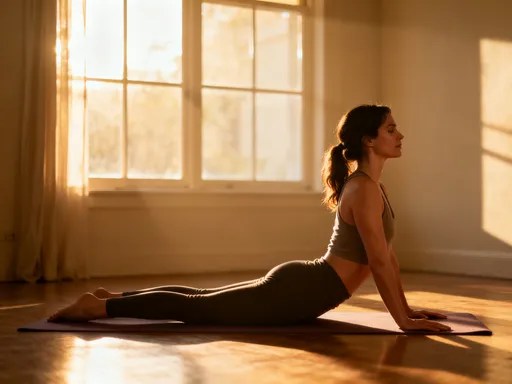
Specific postures, known as asanas, are particularly effective at calming the mind. Child’s Pose, for example, is a resting posture that gently compresses the abdomen, encouraging deeper diaphragmatic breathing. This physical cue helps activate the vagus nerve, a key component of the parasympathetic nervous system. Similarly, Legs-Up-the-Wall pose reverses blood flow slightly, reducing swelling in the legs while also signaling the body to relax. These poses do not require strength or flexibility. They require only willingness and a few minutes of stillness.
The science behind yoga’s calming effect is well documented. Studies have shown that regular yoga practice reduces cortisol levels, lowers heart rate, and improves heart rate variability—a marker of resilience to stress. The combination of slow movement and controlled breathing helps break the cycle of shallow, rapid breaths that often accompany anxiety. Instead, it teaches the body to breathe deeply and rhythmically, which in turn signals the brain that there is no immediate danger. This shift may feel subtle at first, but over time, it rewires the body’s default response to pressure.
Starting a yoga practice does not require a mat, a studio, or even a full hour. Many beneficial poses can be done in comfortable clothing, on a carpeted floor, in less than ten minutes. The key is consistency, not duration. A short daily routine can be more effective than a long session once a week. Beginners are encouraged to focus on how a pose feels rather than how it looks. The goal is not perfection but presence. Over time, this mindful approach fosters a deeper connection between mind and body, making it easier to notice early signs of stress and respond with care.
Breath as a Bridge: Ancient Techniques Made Simple
If yoga is the body’s language of calm, breath is its most immediate translator. Breathing is unique among bodily functions because it operates automatically yet can also be consciously controlled. This dual nature makes it a powerful tool for influencing the nervous system. When stress takes over, breathing often becomes fast and shallow, centered in the chest. This pattern reinforces the brain’s perception of threat. By intentionally slowing and deepening the breath, it is possible to send a clear message of safety.
Diaphragmatic breathing, also known as belly breathing, is one of the most accessible techniques. It involves drawing air deeply into the lower lungs, allowing the belly to rise with each inhale and fall with each exhale. This type of breathing maximizes oxygen intake and stimulates the vagus nerve, which plays a central role in calming the body. Practicing diaphragmatic breathing for just five minutes can reduce feelings of anxiety and improve mental clarity. It requires no special equipment and can be done anywhere—while sitting at a desk, lying in bed, or waiting in a carpool line.
Another effective method is coherent breathing, which involves inhaling and exhaling at a steady pace of about five breaths per minute. This rhythm has been shown to optimize heart rate variability, a sign of a healthy, adaptable nervous system. To practice, one might inhale slowly for a count of five, pause briefly, and exhale for a count of five. Repeating this cycle for several minutes creates a natural lull, similar to the effect of a rocking chair. The simplicity of this practice is part of its strength. It does not require belief or special knowledge—only attention and repetition.
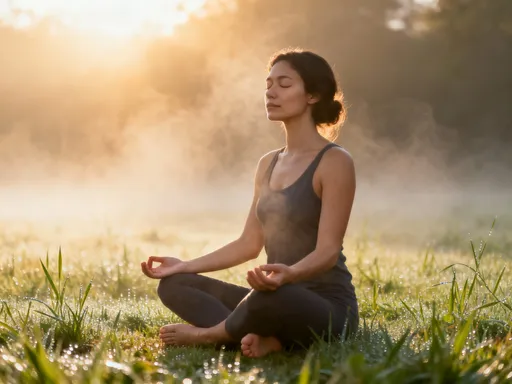
The best times to practice mindful breathing are during natural transitions in the day. Morning breathing can set a calm tone for the hours ahead, while evening practice can ease the shift from activity to rest. Some women find it helpful to link breath work to existing habits, such as after brushing their teeth or before checking their phones in the morning. These small anchors make the practice more sustainable. Over time, the breath becomes a reliable refuge, a quiet space that can be accessed even in the middle of a busy day.
Mindful Moments: Weaving Awareness into Routine
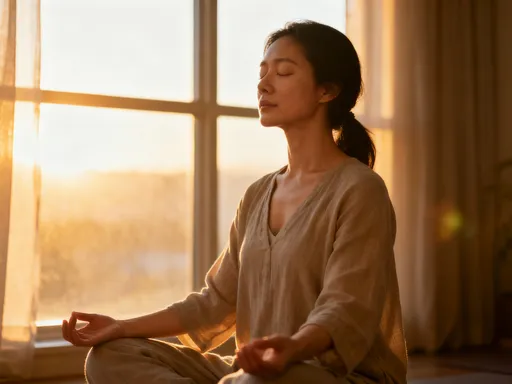
Mindfulness is often associated with sitting in silence for long periods, but it does not require stillness or isolation. At its heart, mindfulness is the practice of paying attention to the present moment without judgment. This awareness can be cultivated in the smallest moments of daily life. The key is not duration but frequency. A series of brief, intentional pauses can be more transformative than a single long meditation session.
Consider the act of drinking tea. Instead of rushing through it while multitasking, one might pause to feel the warmth of the cup, notice the color of the liquid, and savor the flavor with each sip. This simple shift turns an ordinary routine into a moment of presence. Similarly, walking from the car to the house can become an opportunity to feel the ground beneath the feet, notice the air on the skin, and observe the sounds around. These practices are not about adding more to the day but about changing the quality of time already spent.
When practiced regularly, these micro-moments of awareness help break the cycle of automatic reactions. Instead of snapping at a child after a long day, one might notice the tension in the body and take a breath before responding. Instead of ruminating on a work problem during dinner, one might gently return attention to the taste of food. These shifts do not happen overnight, but with repetition, the brain begins to form new pathways that favor calm over reactivity.
The goal is not to eliminate stress but to change the relationship with it. Mindfulness teaches that thoughts and feelings are temporary, like weather patterns that pass through the mind. By observing them without getting caught in their current, it becomes possible to respond with intention rather than habit. This skill is especially valuable for women who carry the mental load of household management, where small frustrations can accumulate into larger emotional burdens.
Blending Traditions: Where Yoga Meets Holistic Wisdom
The practices of yoga and mindfulness are not isolated techniques. They are part of a broader tradition of holistic wellness that emphasizes balance, rhythm, and harmony with natural cycles. Systems such as Traditional Chinese Medicine (TCM) and Ayurveda have long recognized the importance of aligning daily habits with the body’s innate rhythms. While these traditions vary in their methods, they share a common understanding: health is not just the absence of illness but the presence of flow.
In TCM, for example, energy, or “qi,” is believed to move through the body along specific pathways. When this flow is blocked or imbalanced, discomfort arises. Practices such as breath work, gentle movement, and rest are seen as ways to restore smooth circulation. Similarly, Ayurveda emphasizes the importance of daily routines, or “dinacharya,” that support physical and mental clarity. Waking with the sun, eating meals at consistent times, and winding down before bedtime are all seen as essential to maintaining equilibrium.
Modern science increasingly supports these ancient insights. Research shows that irregular sleep patterns, erratic eating schedules, and constant stimulation disrupt the body’s internal clock, known as the circadian rhythm. This disruption is linked to increased stress, poor digestion, and reduced cognitive function. By contrast, routines that honor natural cycles—such as sleeping in darkness, eating meals at regular times, and allowing for quiet moments during the day—help the body function more efficiently.
Integrating these principles does not require adopting a new belief system. It means making small, intentional choices that support rhythm and rest. Eating breakfast at a consistent time, stepping outside for fresh air in the morning, or turning off screens an hour before bed are all practical ways to align with natural flow. These habits work quietly in the background, creating a foundation of stability that makes it easier to handle life’s inevitable pressures.
Building Your Personal Wind-Down Routine
One of the most effective ways to reduce stress is to create a personalized wind-down routine. This does not need to be elaborate or time-consuming. Even five to ten minutes of intentional practice each day can make a noticeable difference. The goal is to signal to the body that it is safe to relax, shifting from a state of doing to a state of being.
A simple routine might begin with gentle stretching. Neck rolls, shoulder rolls, and forward folds can release tension stored in the upper body, a common area for stress to accumulate. This can be followed by a breathing technique such as the 4-7-8 method: inhale for four counts, hold for seven, and exhale slowly for eight. This pattern prolongs the exhale, which naturally activates the parasympathetic nervous system. The session might end with a brief body scan, bringing attention to each part of the body from the toes to the head, noticing sensations without trying to change them.
The best time to practice this routine is during a natural pause in the day, such as after dinner or before bed. Consistency is more important than timing. Some women prefer a morning version to set a calm tone for the day, combining light stretches with deep breathing and a moment of gratitude. The key is to choose practices that feel nourishing, not like another task to complete.
Starting small increases the likelihood of long-term success. Trying to do too much too soon can lead to frustration and abandonment of the practice. Beginning with just three minutes of breathing or two simple stretches makes it easier to build momentum. As the habit takes root, it can be expanded naturally. Tracking subtle changes—such as falling asleep faster, feeling less reactive, or noticing moments of calm—can provide motivation to continue.
Staying Consistent Without Burning Out
Even with the best intentions, maintaining a practice can be challenging. Life gets busy. Energy fluctuates. Some days, the idea of pausing for breath work or yoga may feel impossible. This is normal. The goal is not perfection but persistence. What matters most is the willingness to return, even after missing a day or a week.
One effective strategy is habit stacking—linking a new practice to an existing habit. For example, doing three deep breaths after brushing teeth in the morning or practicing a short stretch after putting on pajamas at night. These small anchors make the practice easier to remember and integrate. Another helpful approach is using gentle reminders, such as a note on the bathroom mirror or a calendar checkmark, not as a measure of success but as a kind invitation to pause.
It is also important to practice self-compassion. Missing a day does not erase progress. Stress itself can be a reason to skip a routine, not a reason to judge oneself. The practice is meant to support well-being, not add to the burden of self-criticism. When motivation is low, it helps to remember the purpose: not to achieve a certain pose or master a breathing technique, but to feel more at ease in daily life.
Over time, the benefits become more apparent. Sleep improves. Focus sharpens. Emotional reactions become less intense. These changes are not dramatic, but they are meaningful. They reflect a deeper shift in how the body and mind respond to stress. The practice does not eliminate challenges, but it builds the inner strength to meet them with greater calm and clarity.
True calm isn’t about escaping stress but changing your relationship with it. These practices don’t erase life’s pressures, but they build inner resilience. Over time, you’ll find yourself pausing instead of panicking, breathing instead of bracing. That shift—small at first—can transform how you move through the world. Start where you are. The quiet is worth it.